
If you post an entry to the ledger but it is not posted to the corresponding personal account in this book, then there may be a problem with your balances. Financial accounting guidance dictates when transactions are to be recorded, though there is often little to no flexibility in the amount of cash to be reported per transaction. Closing entries are passed to close the income and expense accounts at the end of the accounting period.
Our Team Will Connect You With a Vetted, Trusted Professional
If posting accidentally does not occur as part of the closing process, the totals in the general ledger will not be accurate, nor will the financial statements that are compiled from the general ledger. Subledgers are only used when there is a large volume of transaction activity in a certain accounting area, such as inventory, accounts payable, or sales. For low-volume transaction situations, entries are made directly into the general ledger, so there are no subledgers and therefore no need for posting. The first step in the accounting cycle starts by identifying events and analyzed them to see how they affect the accounting equation. After events are identified, they can be record in the general journal with a journal entry.
Posting Compound Entry

To fully understand the accounting cycle, it’s important to have a solid understanding of the basic accounting principles. You need to know about revenue recognition (when a company can record sales revenue), the matching principle (matching expenses to revenues), and the accrual principle. The general ledger serves as the eyes definition of posting in accounting and ears of bookkeepers and accountants and shows all financial transactions within a business. Essentially, it is a huge compilation of all transactions recorded on a specific document or in accounting software. In the other example, the utility expense would have been recorded in August (the period when the invoice was paid).

Posting In the Closing Process
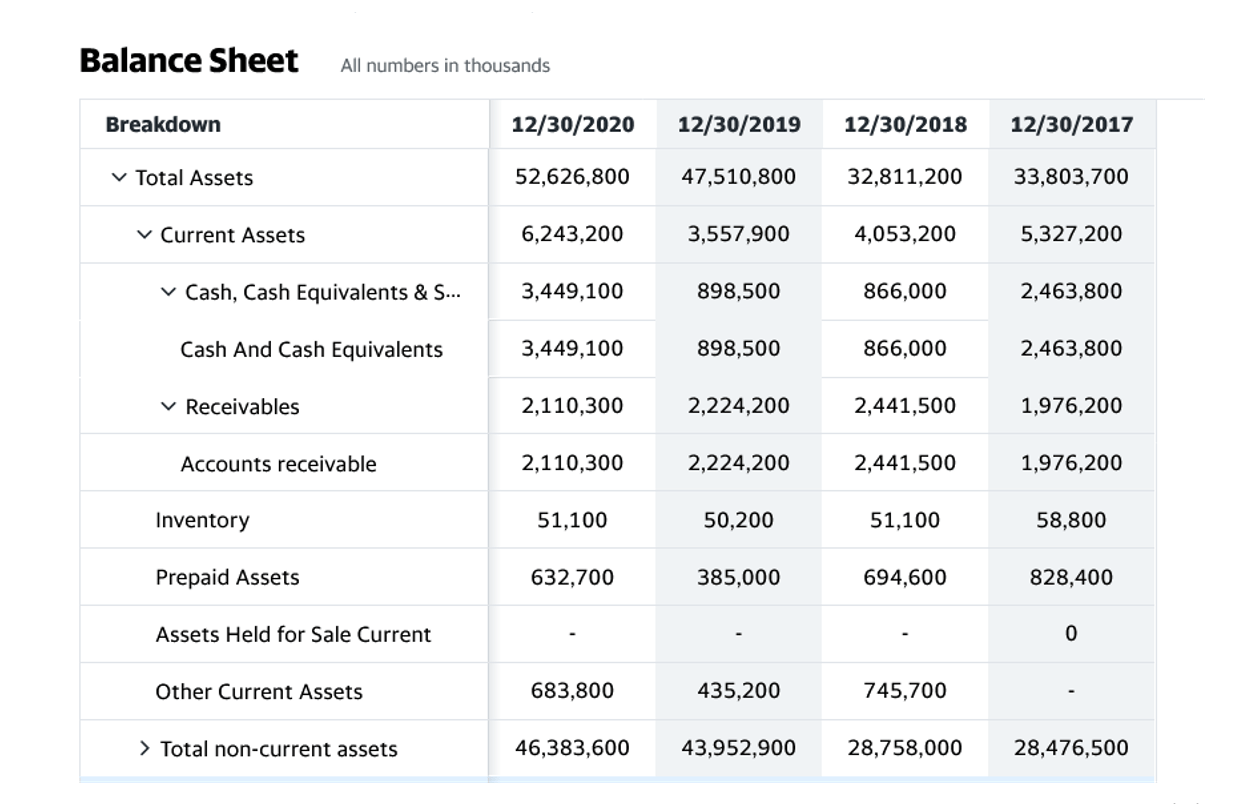
It lists the company’s assets, liabilities, and equity, and the financial statement rolls over from one period to the next. Financial accounting guidance dictates how a company records cash, values assets, and reports debt. The process of transferring entries from the journal to the ledger is called posting. In this step, all transactions previously recorded in the journal are transferred to the relevant ledger accounts at some appropriate time. The procedure of transferring an entry from a journal to a ledger account is known as posting.
- For example, journals are transferred to subsidiary ledgers then transferred to the general ledger.
- Postings can be made (1) at the time the transaction is journalized; (2) at the end of the day, week, or month; or (3) as each journal page is filled.
- In this process, all adjusting entries to the various subledgers and general journal must be made, after which their contents are posted to the general ledger.
- The last and final phase of bookkeeping is the preparation of the post-closing trial balance.
- The Sarbanes-Oxley Act makes accurate financial reporting even more important.
- The ledger for an account is typically used in practice instead of a T-account but T-accounts are often used for demonstration because they are quicker and sometimes easier to understand.
At the end of the accounting period, these items would be consolidated and posted into one line item in the general ledger. Posting in accounting is when the balances in subledgers and the general journal are shifted into the general ledger. Posting only transfers the total balance in a subledger into the general ledger, not the individual transactions in the subledger. An accounting manager may elect to engage in posting relatively infrequently, such as once a month, or perhaps as frequently as once a day. Financial accounting is the framework that sets the rules on how financial statements are prepared. The U.S. follows different accounting rules than most other countries.
Their purpose is to provide consistent information to investors, creditors, regulators, and tax authorities. The balance sheet of the previous year is the basis of making opening en- tries of the subsequent year. But where more than two accounts are involved in one single transaction and there is only one journal entry made, it is said to be a compound entry.
- For example, if you want to see the changes in cash levels over the course of the business and all their relevant transactions, you would look at the general ledger, which shows all the debits and credits of cash.
- Summarizing refers to the preparation of a trial balance from the debit and credit balances of the ledger accounts.
- If at any point the sum of debits for all accounts does not equal the corresponding sum of credits for all accounts, an error has occurred.
- Access to the subledgers and journals is then opened for the next accounting period.
- In contrast to the two-sided T-account, the three-column ledger card format has columns for debit, credit, balance, and item description.
- In addition to management using financial accounting to gain information on operations, the following groups use financial accounting reporting.

Submit to get your question answered.
Written by : admin

Subscribe To My Newsletter
BE NOTIFIED ABOUT BOOK SIGNING TOUR DATES